
When you reach out about a new website, the first conversation can make the whole project feel easy or messy. A clear brief saves time, removes guesswork, and helps you and your designer start on the same page. If you are looking for the web design process for clients in Los Angeles, the best place to begin is with a simple, honest overview of what your business needs and what kind of website will actually support it.
At Sacred Cow Studios, we have found that the strongest projects usually begin with a thoughtful conversation, a clear plan, and the right brand details in hand. Our approach to Sacred Cow Studios work is built around collaboration, custom thinking, and practical results for businesses across Los Angeles. The company’s site also shows a broad service range that includes custom website design, web development, e-commerce, WordPress, mobile apps, and digital marketing, with an emphasis on working closely with clients through each stage.
What a good web brief actually does
A good brief gives your designer direction before any mockups or layouts begin. It helps answer the big questions early: what the site should do, who it is for, how it should feel, and what success looks like for your business.

That matters because a website is not just a visual piece. It is often the first real impression someone gets of your company. If the brief is clear, your designer can focus on the right pages, the right message, and the right structure from the start.
What to include before you reach out
The best briefs are simple, but they still cover the essentials. You do not need a giant document. You just need enough detail to give your designer a real picture of your business.
1) Your goals
Start with the reason you want the website in the first place. Be direct.
Maybe you want more service inquiries. Maybe you need a cleaner brand presence. Maybe your current site no longer reflects your work. Maybe you are launching something new and need the website to support that launch.
A clear goal helps shape the whole project. A site built to attract inquiries will look and function differently from one built to showcase premium work or handle online sales.
2) Your audience
Tell the designer who you want to reach.
Are you speaking to homeowners, local business owners, professionals, premium buyers, or a very specific type of customer? Are they looking for speed, trust, detail, style, or convenience?
The more specific you are, the easier it becomes to build a site that feels right. A designer can make better choices about tone, page flow, visuals, and calls to action when the audience is clear.
3) Your competitors
You do not need to copy anyone, but it helps to show examples of businesses that do something well.
Share a few sites you like and a few you do not like. Tell your designer what stands out about them. Is it the layout, the tone, the photos, the way the services are presented, or how easy it is to navigate?
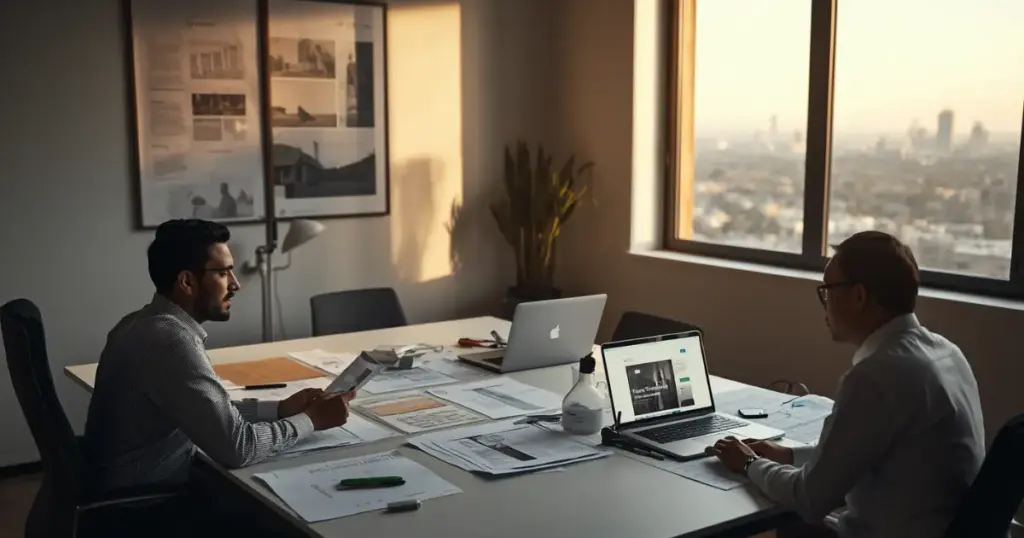
This saves time and gives your designer a sharper sense of taste, direction, and positioning.
4) Your brand assets
Gather the pieces that already exist.
That usually includes your logo, colors, fonts, photos, video clips, testimonials, service descriptions, and any brand guidelines you may have. If your business has strong photography or a defined visual style, include that too.
If you do not have everything ready, that is fine. Just say what you have and what still needs to be created. A strong custom web design process can work with a mix of finished assets and fresh direction.
5) Your budget
Be upfront about budget range. It does not need to be exact, but it should be realistic.
A designer can only recommend the right scope when they know what they are working with. A smaller budget may call for a streamlined site with a focused set of pages. A larger budget may allow for more custom features, deeper content planning, and additional support.
Clear budget conversations help avoid disappointment later.
6) Your timeline
Timelines matter more than many clients realize.
If you need the site live for a launch, campaign, event, or seasonal push, say that early. Designers can then shape the schedule around the real deadline, not a guess.
It also helps to share whether you can move quickly with feedback or whether your team needs more time for reviews and approvals. That affects the pace of the whole project.
How the web design process usually moves
A professional project does not start with design software. It starts with a conversation.
At Sacred Cow Studios, the process is presented as collaborative and milestone-based, beginning with a discovery call, moving into page mapping and prototyping, and then into design, development, testing, delivery, and support. The company also says it works with businesses of many sizes and focuses on custom solutions rather than one-size-fits-all work.
Discovery and direction
This is where the designer gets the full picture. You share your goals, audience, services, and the kind of feeling you want the site to create.
A good discovery step keeps the rest of the project focused. It prevents random page ideas and keeps the site tied to the business itself.
Structure and page planning
Next comes the page outline.
This is where the designer decides what pages you need, how visitors should move through them, and what each page should do. It is one of the most important parts of the project because structure affects clarity.
If the structure is weak, even beautiful design can feel confusing. If the structure is strong, the site feels easy and natural.
Visual direction
This is where the look and feel come together.
Your designer will use your brand assets, notes, and examples to shape the visual style. This includes layout, spacing, color use, image treatment, and the overall mood of the site.
This step is not about decoration. It is about making the site feel like your business.
Build and review
Once the design is approved, the site is built and reviewed carefully.
This is where small details matter: page spacing, mobile layout, form behavior, speed, image sizing, and content placement. A strong team will check these things before launch so the final result feels polished and dependable.
Launch and follow-up
A good website launch is not the end of the relationship. It is the point where the site starts working for your business.
You should know who handles edits, future updates, and support after the site goes live. At Sacred Cow Studios, the service pages make clear that the team supports clients with website work, e-commerce, WordPress, mobile apps, and broader digital services, which is useful when a business needs more than a one-time build.
Practical tips that make the project smoother
A strong brief is useful, but a few habits make the whole process better.
- Share real examples, not vague ideas.
- Keep your top priorities in order.
- Send all brand files in one place.
- Give feedback that is specific and useful.
- Answer questions quickly when the project is moving.
A few common mistakes are worth avoiding too.
- Starting without clear goals.
- Hiding budget limits until late in the process.
- Sending scattered notes in different messages.
- Changing direction every time a new idea comes up.
- Waiting too long to gather photos, copy, or approvals.
The cleanest projects are usually the ones where the client is organized, direct, and realistic about what they need.
What a strong Los Angeles project brief looks like in real life
Say you run a design studio in Los Angeles and your current site feels dated. You want something more polished, but you also want the site to bring in qualified leads, not just look nice.
A strong brief would say:
- You want a premium, modern site.
- You want to attract businesses that value quality work.
- You like clean, confident layouts.
- You have a logo, some brand photos, and a few testimonials.
- You want the project done before a planned launch date.
- You need help shaping the message for your main service pages.
That is enough to start a serious conversation.
Now the designer can talk about structure, content flow, visuals, and the right level of custom work instead of guessing what you mean.
Why choose Sacred Cow Studios?
Sacred Cow Studios is a strong fit for clients who want more than a quick template setup. The company presents itself as a Los Angeles digital marketing and web design team with custom website design, web development, e-commerce, WordPress, mobile app development, and campaign support. It also emphasizes a collaborative process, client approval, and tailored work for businesses of different sizes.
If you are looking for professional web design Los Angeles, the value is not just in the final website. It is in the process behind it: clear communication, smart planning, and a finished site that feels like your brand.
Conclusion
If you want better results from your next website project, start with a better brief. Share your goals, your audience, your competitors, your brand assets, your budget, and your timeline. That single step makes the rest of the web design process for clients in Los Angeles much smoother and far more productive.

A professional designer can do stronger work when the direction is clear. And when the process is clear, you save time, avoid bad-fit proposals, and move toward a website that actually supports your business.
FAQ
How much detail should I include in my brief?
Enough to explain your goals, audience, style preferences, budget, and timeline. You do not need perfection, just clarity.
Do I need brand guidelines before starting?
No. If you have a logo, colors, photos, or examples, that is already enough to begin.
What if I only have a rough idea?
That is common. A good designer can help shape the idea into a clear plan during the first conversation.
Should I share competitor websites?
Yes. Sharing a few good and bad examples helps your designer understand your taste and positioning faster.
How soon should I contact a designer before launch?
As early as possible. More lead time gives you room for better planning, revisions, and a calmer process.
Related posts: What to Expect at Each Stage, How to Write a Website Content Strategy Must, How to Write a Website RFP for Your LA Business


